Showing posts with label rug cleaning. Show all posts
Showing posts with label rug cleaning. Show all posts
Wednesday, September 30, 2020
Rug Dusting - Able Carpet Care

Rug Dusting - Able Carpet Care
Very important to regularly clean your carpets and rugs, just look what we can remove!


Time to freshen up your Fibres in your work space and home. - Able Carpet Care

Monday, April 11, 2016
When do I clean my home or office
Cleaning Your Home or Office
Should be done on regular basis, a carpet, rug or lounge suite has a build up dirt, stains dust and insects. If this in not removed it can become a problem reducing your fabric life.

- Mould and Mildew can begin growing causing health problems such as asthma, sneezing, Itching, runny nose, etc.
- Stains make you fabric look dirty and undesirable to sit on, your friends and family will not feel happy in an environment that is not clean.

- Soil scratches away, cutting or permanently staining fibres. This will reduce the life of you precious rug, carpet or lounge suite you will pay many $,000 of dollars to replace your item.

Create a healthier Home or work place, clean you Rugs, Carpets, Upholstery, Curtains or hard surface floors regularly. You will be happier in a cleaner environment, your home or work will sparkle. Call Able Carpet Care today.
Tuesday, November 17, 2015
Spot Cleaning your carpets it a little like peeling an onion.


A Spot or stain(S/S) on your carpet, rug curtain or Upholstery is just like an onion. There is particles in the S/S in the manufacture or particles that exist from the environment, let me give you some examples.
- oil is used to create a lot of foods we consume
- Trans Fats
- food colourings
- Sweeteners
 - Sodium

- Iodine fortification
- folic acids


The environment of your carpet, rug, upholstery or curtain needs to be understood.
- Pollution
- Pets
- Excessive cooking with oil creates a layer on the fibres
- Soil walked in from outside
- Workers clothes who works in or near earth
So a Spot or Stain is not as simple one solution clean up in many instances it has many layers like an Onion that need to be removed. If the wrong layer is treated with an incorrect chemical, it may lock it into the fibre. Choosing a trained technician to clean or spot clean your fibres will reduce the chances of this occurring.
Wednesday, September 09, 2015
Carpet and rug Cleaning. Spot, mark, stain, burn and Spills. Red Wine, food, drink, Sauce, water damage these can all be redied and in most cases cleaned.
 |
| Since 1956 cleaning Rugs and Carpets |


 Finding a professional fibre restoration company can be impossible. Able C. C. has been cleaning Rugs and Carpets since 1956 and prides itself as the best in the industry. Able C C is an approved Wool safe service provider and are a member of IICRC (institute of cleaning and restoration certification).

 Relax and put your feet up while Abel C C cleans and deodorizes your rugs and carpets, lifting the pile to give you the soft feel again under your feet. Removing the pet odours and stains from your home.
Cleaning your rugs and carpets is easy and improves the indoor air, you can breathe easy again with a fresh clean home or office. Your friends will notice the difference in your home or office. Cal Able C C today.

Clean up your Rugs and Carpets for Spring, get ready for the warm weather. You deserve a reward and a hand to clean those rugs and carpets, call now!
Thursday, August 13, 2015
Why is vacuuming important in your home or work with a HEPA filtration vacuum.
To properly vacuum your carpets,rugs, curtains and soft furniture you should use a H.E.P.A. vacuum
The HEPA vacuum will trap the particulate matter you extract from the fibres and trap it in a filter.REF: HEPA
High-efficiency particulate arrestance (HEPA),[1][2] also sometimes called high-efficiency particulate arresting or high-efficiency particulate air, is a type of air filter. Filters meeting the HEPA standard have many applications, including use in medical facilities, automobiles, aircraft and homes. The filter must satisfy certain standards of efficiency such as those set by the United States Department of Energy (DOE). To qualify as HEPA by US government standards, an air filter must remove (from the air that passes through) 99.97% of particles that have a size of 0.3 µm.[3]
HEPA Vacuum Mold
HEPA Vacuum Cleaners and Mold

HEPA Vacuum
HEPA vacuuming also helps if you are removing mold growth in your home. Once you've removed the mold you should vacuum your house with a HEPA vacuum to remove any mold spores that were stirred up.
Non-HEPA Vacuum Cleaners and Mold
Non-HEPA vacuum cleaners don't help with mold problems. Mold spores are too small to be trapped by the filters in non-HEPA vacuums. Most mold spores simply end up passing through the vacuum, out the exhaust and into the air.This can even make things worse since mold spores that were on the floor get blown into the air. This is why many people's allergic reactions actually increase after vacuuming with non-HEPA vacuum cleaners. Make sure especially to never vacuum over mold growth with a non-HEPA vacuum.
One exception where vacuuming with a non-HEPA portable vacuum cleaner can help is if the vacuum exhausts its air outside the home. Central vacuuming systems that exhaust the air outside also remove mold spores from the home.
HEPA Vacuum to Prevent Mold
HEPA vacuum cleaners remove mold spores from the home and the less mold spores there are inside the less likely it is that mold will grow. Vacuuming at least once a week minimizes mold spores and greatly reduce the chances of mold starting to grow in your home.HEPA Vacuum to Decrease Allergies and Mold Symptoms
Vacuuming up mold spores with a HEPA vacuum prevents them from being stirred up into the air and triggering allergies. HEPA vacuums also remove household dust and other allergens which cause allergic reactions and can trigger asthma.The same HEPA filters in HEPA vacuums are even used in indoor air filter units to remove allergenic particles from the air and improve indoor air quality.
For a description of the symptoms that mold causes visit the Mold Symptoms page.
HEPA Vacuuming Carpet
You will never be able to remove every single mold spore from carpet. However lab tests of carpet samples under the microscope show that HEPA vacuuming significantly reduces the amount of microscopic particles in carpet.Again, vacuuming at least once a week will improve your home's air. Even if you don't have mold, HEPA vacuuming still helps since it removes dust and other allergens.
You can also use a carpet washer to remove even more allergens, mold spores, dirt and other particles from your carpet. Carpet washers can be hired from places like supermarkets.
If you still find your allergies are sensitive you can remove the carpet in your home altogether. Having hard floors in the home instead of carpet is much better for people who suffer allergies.
HEPA Vacuum During Mold Removal and Remediation
HEPA vacuuming is an important part of mold removal and remediation. Mold removal professionals use powerful HEPA vacuums when they are removing mold.If you have to remove mold in your home yourself you should also use a HEPA vacuum. It's a good idea to start the mold removal process by HEPA vacuuming the room. This will remove the mold spores in the surrounding area.
Once you've cleaned away the mold with a mold killing product such as vinegar, bleach or borax, you should then HEPA vacuum again once the surface is completely dry. HEPA vacuuming the surface and all surrounding surfaces will remove any mold spores which were stirred up during the mold removal process. This is part of the final clean up stage of mold removal.
Besides the floor, even walls, ceiling, shelves and other surfaces should be vacuumed if possible. Also vacuum any furniture that was around the mold. The brush attachment for your HEPA vacuum helps when vacuuming furniture and other items.

This is a great "dog and cat" vacuum. I use this in my home.
Thursday, August 06, 2015


Tuesday, August 04, 2015
How to Vacuum a rug or carpet. Using the right tools

How to Vacuum a rug or carpet fibre ?
This can be easy with the right equipment and fibre. Your fibre will determine the vacuum you buy.
Check out this list to decide which features or functions are must-haves for your new vacuum.
Power head or turbo head


Tools
Tools such as a crevice nozzle (for narrow corners and around chair cushions), an upholstery brush (for curtains and soft furnishings) and a dusting brush can be very handy. Check whether these tools are supplied with the vacuum cleaner or if they're optional extras.
Telescopic wand
This lets you adjust the wand to suit your height, so you can vacuum without bending your back too much. If you're tall, try to test the model in-store to ensure it's long enough for you.


Adjustable head height
This feature's useful if you have carpets with different pile heights, and also for wooden or tiled floors.
Variable suction/power
A control on the wand that allows you to vary the suction for more delicate jobs, such as cleaning curtains.
Dustbag-full indicator
This handy feature lets you know when the dust collector is full without having to open the vacuum.
Blower
A vacuum that can reverse the airflow to blow air continuously is a godsend when it's time to blow up the airbed!
Onboard storage for accessories
Handy when you are cleaning edges and upholstery, and/or dusting furniture whilst vacuuming.
Wand storage
Allows the wand to be attached neatly to the cleaner when storing. This is useful for keeping all the bits together.
Retractable cord
This is much easier than winding up the cord manually! Uprights don't have this feature, but you can wind the cord around two hooks to keep it tidy.
HEPA filter


Thursday, May 28, 2015
When should I clean carpet in my home ? Why should I clean my carpets
How do I benefit from cleaning carpet in my home.

Cleaning carpet in your home or office is a personal choice.
The manufacturers of carpets all agree and want a regular cleaning system, this includes vacuuming, spot cleaning, grooming and scheduled maintenance by a combination of restorative cleaning and interim cleaning. By following these recommendations you will not only have a clean, beautiful carpet throughout your home or office your home and office will be a healthy environment for your family, work colleagues and you.
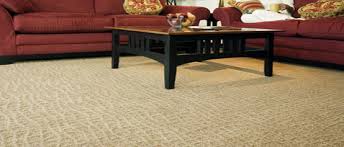
Vacuuming will remove soil,fluff and small particles from the carpets surface, buying the right vacuum is very important to clean the carpet to manufactures specifications.
Spot Cleaning will assist to reduce a build up of spots and stains on the carpet keeping your carpet looking good. Only use a safe spot cleaner recommended for your carpet.
Grooming or pile lifting again is to make your carpet look it best just like brushing your hair. Sometime we groom before cleaning to lift the soil to the surface.
Scheduled maintenance
- Interim cleaning of your carpet cleans the top or tips of you fibre, usually is a shampoo or dry clean system every 3-4 months
- Restoration Cleaning washes your fibre is usually a Hot Water Extraction or Steam clean usually every 12-24 months

Thursday, May 14, 2015


Cleaning Rugs and Mats today Customweave carpets and rugs
Today I am cleaning 100% woolen Custom Weave Rug Shag designer style
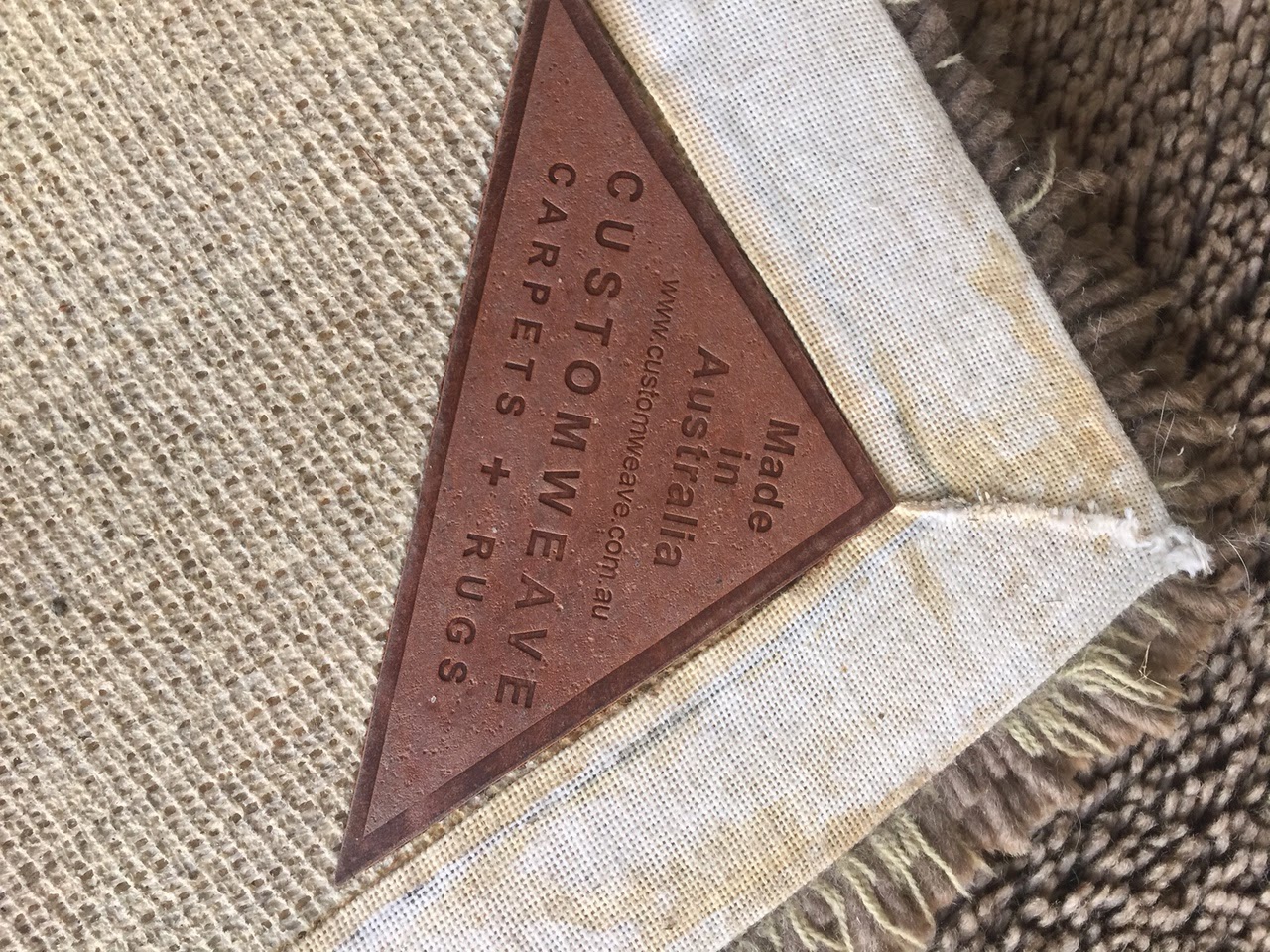

I am also cleaning 8 White 100% nylon rugs, these have been made to order. The rugs are used in Weddings. The rugs are challenging to clean as they are some times laid on grass or dirt surface, the backing will absorb some of the surface, when cleaning it will bleed into the fibre. Both sides are cleaned to produce a clean result. These rugs can be put into a rug bath to get the best result.


Monday, April 27, 2015
How do I look after my carpet?
Your carpets installation will need maintenance to keep the investment looking good and maximise the carpets life.
We recommend a repair service every 7-10 years, cleaning should be done 3-6months(commercial) 6-24 Months(Domestic) this will assist you to get the most use from the carpet. Too many carpets are thrown away when the age is 7-10 years, these product are produced to last 20+ years when looked after correctly. We have programs for both commercial and domestic to keep your carpet clean and healthy.


Subscribe to:
Posts (Atom)