Showing posts with label Grout Cleaning. Show all posts

Wednesday, August 26, 2015

PET RUGS and Cleaning

Do you have a rug made with PET fiber, P.E.T. is -

Polyethylene terephthalate

Supplied by WIKIPEDIA 

The fibre is from the polyester family of man made fibres. 

A rug made from P.E.T is versatile and can be used in outdoor and indoor areas. 


These rugs can be cleaned and deodorised, it is important the fibre is dried correctly on a clean surface.


We have cleaned many of these rugs and returned their colours, I would suggest to not leave out in extreme cold or heat for many days the rug may get a cloudy white spots. 
These are great rugs, regular maintenance by cleaning every 6 -12 months will keep these rugs looking their best.


Friday, June 19, 2015

How do I remove Dust Mites #Cleaning # Dustmites # Dustmite Cycle # Dust mite allergies

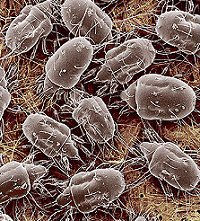
Dust mites up Close


Dust mites can be controlled, it may need you to clean areas a little more regularly. A lot can be done by yourselves and we can assist with specialized equipment. In the past we have been able to reduce dust mites and find some people recover. The following will help. Identify the rooms where the allergy occurs. Then perform the following :  
-          Blitz Clean every 3 months for 12 months
o   Vacuum all horizontal surfaces(have a good vacuum with power head)
§  Move all furniture, so all dust is removed.
o   Wash or Clean soft furnishing (upholstered chairs, carpets, curtains)(req twice per year)
o   Let the sunlight in
o   Bedding/Mattress(Able Carpet Care can clean mattress) wash and then soak bedding in 1/3 White vinegar(distilled) and 2/3 Water. Put mattress into sunlight 30+minutes
o   Wipe all horizontal surfaces with Vinegar solution above.
o   This will break the cycle if you cover all areas.

The Cycle
Dust mite eats , it the displaces what it eats(feces)and you breathe it in then triggers a reaction.


Dust mites and their feces contain an enzyme that destroys the protective function of the skin, leaving it open to other irritants

These microscopic arachnids are ubiquitous and so numerous that, try as you might, they're impossible

TONIGHT, AS YOU SINK wearily into bed, you won't be alone - even if you're the only person in the room. Under your slumbering head, the pillow will teem with potentially thousands of unseen bed mates, 


feasting on your fallen skin flakes.
The good news is they don't bite. The bad news is they'll be procreating, defecating, dying and decomposing in your bedding, couches, carpets and clothes. Essentially, we all spend a good deal of time wallowing in dust-mite filth.
The humble dust mite - the species Dermatophagoides pteronyssinus is most common in Australia - is an arachnid, a relative of spiders and ticks. It's less than half a millimetre long but what it lacks in size, it makes up for in abundance. The detritus in our old pillows is made up mostly of sloughed skin, but the microscopic dust mites, alive and dead, are also there in their thousands, along with mite dung.
CSIRO entomology researcher Dr Matthew Colloff, author of the book Dust Mites, puts the numbers of dead dust mites (only about 5 per cent are alive) in an average bed at between 100,000 and more than 1 million, depending on conditions. "If you're above 500 mites per gram of dust, which contains skin scales, organic debris, mould, ash, crumbs and all sorts of things, you're getting into pretty high mite numbers," explains Matthew.  "The highest ever recorded [level] was about 12,000 per gram. Now, if you make a circle with your thumb and index finger, a gram of dust would fit in there, so imagine 12,000 mites in that kind of space."
The fact that our skin scales are their main food source means generally, wherever we are, they are, says Dr Peter Dingle, associate professor in health and the environment at Murdoch University's School of Environmental Science. "We shed literally millions of skin cells every day but they have to be dehydrated and de-fatted by mould," he explains. "The mites wait for the mould to attack and then they feed on both."
COMPLEX FATS AND PROTEINS also make skin scales tough to digest, says Matthew, but the mites have chambers in their gut that act as fermentation tanks. "They probably have skin scales sloshing around in an enzyme soup for prolonged periods," he says. "It's like skin-enzyme porridge."
A seemingly less advantageous evolutionary quirk involves breeding. Dust mites mate for 24 hours at a time, probably because the males penis is only about as wide as the sperm. "Our best guess is mating is so prolonged because the sperm is coming out more or less single file," Matthew says. "Why it would have evolved like that, no-one knows."
In optimal conditions mites live for about six weeks, each producing about 20 fecal pellets a day and females lay about 30 eggs during their life span. During weeks, months and years, the debris formed by live and dead mites and their waste accumulates. It's the fecal pellets - just 20 microns across and easily inhaled when bed-making or vacuuming make them airborne - and the mites' decomposing bodies that cause problems for humans.
This material contains a series of proteins that are highly allergenic for susceptible people, causing everything from sneezing, itchy eyes and a blocked, runny nose, to a severe asthma attack. There are about 20 known allergens and most, but not all, occur in the mites' feces.
DR JANET RIMMER, a respiratory physician and director of the National Asthma Council Australia, says about 45 per cent of the Australian population suffer from allergies, and of those about 80 per cent are allergic to dust mites. While they're most dangerous to the 20-30 per cent of us with asthma, they don't always cause asthmatics to be allergic. And not all people allergic to dust mites have asthma. Historical studies of asthmatics being taken into hospitals or sanitariums have produced variable results.
"Those were obviously lower dust-mite environments and some people got better, but not everybody did," Jane says. "Dust-mite allergens are playing a role but we don't always know how much." The mites' role in allergies wasn't discovered until the mid-1960s, and early investigations into reducing the effect on allergies and asthma by cutting exposure were hampered by social stigma - people then had no knowledge of mite allergens. "The news that their homes were infested with mites which were making  their children sick may have reduced their compliance with interventions," Matthew says.
Since then, extensive research has failed to yield a cure. A 2008 review compiled for the international Cochrane medical database found none of the research measures to reduce exposure to house dust mites had any discernable benefit for asthmatics. "After pouring bucket loads of money into dust mites in the late 1980s and 1990s, I think the funding bodies got fed up with it because it hasn't been solved, so they've gone on to things that are more sexy," Matthew says. "But dust mites are still a huge public health problem and we haven't cracked it. There's a lot we still don't know."
REDUCING YOUR EXPOSURE:Dust mites are found everywhere - traces have even been identified on the Mir Space Station and in Antarctica. Many Australian cities offer warm, humid environments that make them well-suited as breeding grounds. Sydney and Melbourne are particular hot spots. It's impossible to clear your world completely of dust mites. Anyone professing to be able to is talking rubbish, says Dr Matthew Colloff. But dramatically cutting exposure to mites (by about 95 per cent) can reduce symptoms, and the following steps can help:
1 - Expose mattresses to the sun; dust mites are very susceptible to dehydration. 
2 - Wash bedding weekly with tea-tree or eucalyptus oil or in 55˚C plus water, which kills mites and washes away allergens. Ten minutes in a hot dryer will also kill mites, as will dry-cleaning, although it doesn't get rid of allergens. 
3 - Replace soft toys in bedrooms with wooden or plastic ones, or hot-wash them weekly.  
4 - Consider replacing carpet with hard flooring and keep bedroom windows open. 
5 - Use a vacuum with a HEPA (high efficiency particulate air) filter. Note: allergen levels in the air will be higher for up to 20 minutes after vacuuming. 
Copy from Australian Geographic

Wednesday, June 10, 2015

Trendy lounge suites New styles and Cleaning fabrics or leather

Trendy lounge suite, what is the best construction leather or fabric ?


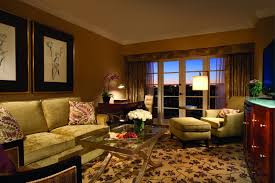
 This leather lounge light in colour adds light to the rug and lift the back wall. Cleaning this couch can be challenging, regular professional cleaning will keep the leather light and soft adding to create a warm wonderful feel.
Dark leather high lights an area, creating a zone. Dark leather need cleaning to keep the leather supple and adds luster to reflect light. 


A cheap style fabric, light  in colour will need a little more attention, professional spot cleaning yearly and a full clean every 2 years. This sill maximise the fibres life and keeping it looking great.


White fabrics nee lots of TLC to improve you home, Clean the leather or fabric every 6 months. Protective applications will assist to improve soil removal and keep the lounge suite "whiteness effect:"


 Outdoor fabrics need protection from weather conditions, colours are best suited. Coloured fabrics are more forgiving when stained or marked. Clean these regularly every 12months
 Internal fabrics and finishes can give your warming effect to your room. Soil, spots and stains will take your eye away from beautiful effect you are creating .

A bright airy space, clean rugs, couch and cushions complement the room. 
It looks shined and polished a great look.


Thursday, May 28, 2015

When should I clean carpet in my home ? Why should I clean my carpets

How do I benefit from cleaning carpet in my home.

Cleaning carpet in your home or office is a personal choice. 

The manufacturers of carpets all agree and want a regular cleaning system, this includes vacuuming, spot cleaning, grooming and scheduled maintenance by a combination of restorative cleaning and interim cleaning. By following these recommendations you will not only have a clean, beautiful carpet throughout your home or office your home and office will be a healthy environment for your family, work colleagues and you.


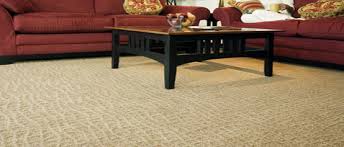
Vacuuming will remove soil,fluff and small particles from the carpets surface, buying the right vacuum is very important to clean the carpet to manufactures specifications.
Spot Cleaning will assist to reduce a build up of spots and stains on the carpet keeping your carpet looking good. Only use a safe spot cleaner recommended for your carpet. 
Grooming or pile lifting again is to make your carpet look it best just like brushing your hair. Sometime we groom before cleaning to lift the soil to the surface.
Scheduled maintenance 
- Interim cleaning of your carpet cleans the top or tips of you fibre, usually is a shampoo or dry clean system every 3-4 months
- Restoration Cleaning  washes your fibre is usually a Hot Water Extraction or Steam clean usually every 12-24 months

These simple steps will ensure your carpets will last 30+years. Ensure your purchase a well made carpet with a good fibre suitable to your use.

Monday, May 25, 2015

Water Damaged . What do I do? How do I fix?


No Matter how bad your water damage situation is there is always a way to remove the water and dry the structure.


Where ever the water is we can clean it up for you.


Hallway
Bedroom
Teh Experienced personal at able Carpet care will remove the water from your flooded area and begin the drying process to sucessfully restore your Home/Office.


We can return your home or office back to the way it was before the flood. Just call for Help.


Tuesday, April 07, 2015

Is my rug Dirty ? Does HWE assist cleaning a rug . To Steam clean or Dry Clean

Dirty Rug or are these characteristics of the rug itself?

     I am asked these questions daily by rug and carpet owners. Some need cleaning others pile correction and some are damaged and need extensive cleaning,repair and restoration. Whether it is Hot Water Extraction, Steam clean or dry clean each method can be used on most fibres.
Each method will differ 
Older Persian rug 
Bleach stain
Traffic area


     Weather its an old rug , bleach stain or traffic area our trained technicians and staff will assist you to choose the correct restorative method to look after your rugs or carpets.
Dog stains
Its important you Rugs and Carpets are cleaned and maintained by a professional cleaning company. We have been in business since 1956 and can answer your questions, so call Able Carpet Care 03 9562-7565. 

Urine marks + carpet has pile reversal 
The rug above has a characteristic that not all owners like, the reverse pile make the have a "wet look". This can be improved but not solved as it is part of the rugs appearance.

Monday, December 01, 2014

Urine on Carpets Urine on Rugs

Urine on carpets and rugs creates a real challenge to technicians 


“Urine smell from pets can ruin the most beautiful of homes. What makes dealing with that urine smell especially difficult is that after just a few weeks, the unsuspecting pet owner can become completely desensitized to the smell, not realizing how offensive it really is to visiting family and friends.
Urine smell from pets goes beyond home owner embarrassment. If you are considering putting your home on the market; that offensive odor will directly affect the sale price.”
Dr. Becker's Comments:
If you have a pet, especially a dog, there’s a very good chance you’ve dealt with at least a few puppy piddle accidents in your home. Hopefully you’ve had only a few and your adult dog is now thoroughly housebroken and wouldn’t dream of peeing indoors.
But what if you have a new puppy or perhaps an adult dog you’ve adopted that hasn’t been properly trained in the fine art of not soiling your house?
The very first thing I recommend is to purchase a crate and begin housetraining your dog immediately.

Stop the Problem Before It Starts

The very best way to prevent puppy piddles from ruining the look, smell, comfort and even the value of your home is to do a top-notch job housebreaking your canine companion.
For a thorough and hopefully enlightening discussion on how to prevent potty problems, crate training, and other helpful tips to get your pooch squared away in the toileting department, view my video series on how to housebreak a dog of any age.
You’ll meet Meredith, an older stray I rescued by the side of the road on the way to work one morning, and follow along as I take her from her squat-wherever-she-happened-to-be routine to a near-perfect example of a well house trained pet.
Most cats are very easy to manage because they instinctively look for surfaces that allow them to bury their waste. A litter box filled with a few inches of clean litter is all the encouragement most kitties need to eliminate in the right spot.

Make No Mistake -- Accidents Will Happen

Even after your pup is thoroughly housebroken or your kitty is a veteran at using the litter box, if you’re a pet parent, you WILL have the occasional mess to clean up.
Your dog may get a temporary bout of diarrhea or drink too much water and wait too long to be walked. Your cat may develop a urinary tract problem and eliminate outside her box, or she may throw up a hairball.
Aging pets, just like elderly people, occasionally have a bathroom accident.
It’s a fact of life with pets, just as it is with children that messes will happen.
Once you’ve done all you can do to set your pet up for success, the only thing left is to anticipate the occasional accident and arm yourself with the supplies you’ll need to do a thorough cleanup.

Call Able Carpet Care on 9562-7565 to clean up your Accidents and stains. 

Monday, June 23, 2014

Wool carpets how to clean or spot clean

Able Carpet  Care is a woolsafe authorized company. We can clean your precious woolen carpets. Just call on 9562-7565 to arrange a quote today. 

Mr Michael Paydon

Able Carpet Care
P.O.Box 8018

SOUTH OAKLEIGH
Victoria
3166
Australia
Phone: 03 9562 7565
Mobile: 0419 899 936
Fax: 03 9562 7100
Membership number:
Google Map

Wednesday, June 18, 2014

Asthma - A Doctors perspective : How can regular cleaning assist to control Asthma


To assist with controlling Asthma we need to understand it. A doctors approach is part of the answer, cleaning will also assist to control the situation. 

If you have asthma, it's important to carefully select an asthma specialist -- a doctor who understands respiratory problems and treats asthma -- as your health care provider. Here are some asthma specialists to consider:
Allergist. An allergist is a pediatrician or internist who has taken additional training to qualify as a specialist in allergy and immunology. An allergist specializes in allergies, asthma, and allergic asthma.

Recommended Related to Asthma

Ever hear the term "bronchial asthma" and wonder what it means? When people talk about bronchial asthma, they are really talking about asthma, a chronic inflammatory disease of the airways that causes periodic "attacks" of coughing, wheezing, shortness of breath, and chest tightness. According to the CDC, more than 22 million Americans, including 6.5 million children under 18, suffer with asthma today.  Allergies are strongly linked to asthma and to other respiratory diseases such as chronic sinusitis,...
Internist. An internist is a doctor who specializes in internal medicine -- the study of diseases in adults, particularly those related to internal organs -- and who has completed three years of training after medical school.
Pediatrician. A pediatrician is a doctor who has three years of special training in the field of pediatrics after medical school graduation. A pediatrician can diagnose and treat childhood asthma.
Pulmonologist. A pulmonologist has taken two or three additional years of training following residency in internal medicine or pediatrics to qualify as a specialist in respiratory diseases. Some pulmonologists may get additional board certification in critical-care medicine.
Pulmonary Rehabilitation Therapist. While not a physician, this nurse or respiratory therapist is trained in pulmonary rehabilitation techniques and can provide asthma support and information on exercise and asthma, lung function, and stress and asthma. The pulmonary rehabilitation therapist can help educate you on how to care for your symptoms of asthma.
What else can I do ?
This is a great website, click on the link below and read the 5 pages. 
http://kidshealth.org/parent/medical/asthma/asthma_home.html
A cleaner environment, cleaning beds, curtains, carpets, couches in a regular routine will assist you to combat the indoor environment pollutants that is affecting our body. Able Carpet Care can assist you with a regular cleaning plan to remove Dustmites, Dust, Mould, pollution, etc.